
Choosing the right sunscreen is one of the most important steps in any skincare routine because it helps to protect the skin from tanning, sunburn, dark spots, and premature aging. However, with so many options available, finding the perfect sunscreen can feel confusing. Some formulas may feel greasy, and others might leave a white cast or irritate the skin. Therefore, understanding your skin type and knowing what ingredients work best for your skin. Whether your skin is oily, dry, sensitive, acne-prone, or combination, using the right sunscreen daily can help keep your skin healthy and glowing.
Understanding SPF Before Buying Sunscreen
One of the first things people notice while buying sunscreen is the SPF number.
What Does SPF Mean?
SPF stands for Sun Protection Factor. It tells you how well the sunscreen protects your skin from UV rays. No sunscreen can block 100% of UV rays.
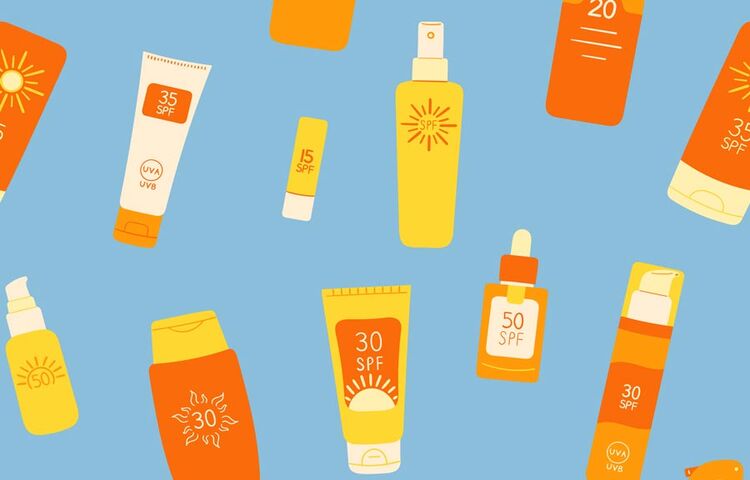
Common SPF Levels:
- SPF 15: blocks around 93% of UV rays
- SPF 30: blocks around 97%
- SPF 50: blocks around 98%
Types of Sunscreens
- Chemical Sunscreen: chemical sunscreen absorb UV rays and convert inton harmless heat, preventing them from damaging the skin. The best for oily skin and normal skin.
- Mineral Sunscreen: mineral sunscreen reflect UV rays and they provide immediate protection. It is also known as physical sunscreen. The best for sensitive skin, acne prone skin, and children.
Right Sunscreen Based on Your Skin Type
Best Sunscreen for Oily Skin
Oily skin often produces excess sebum, especially during hot weather. Heavy sunscreens can make the face look greasy and uncomfortable. Therefore, lightweight formulas work best for oily skin.
What Type of Sunscreen Is Best?
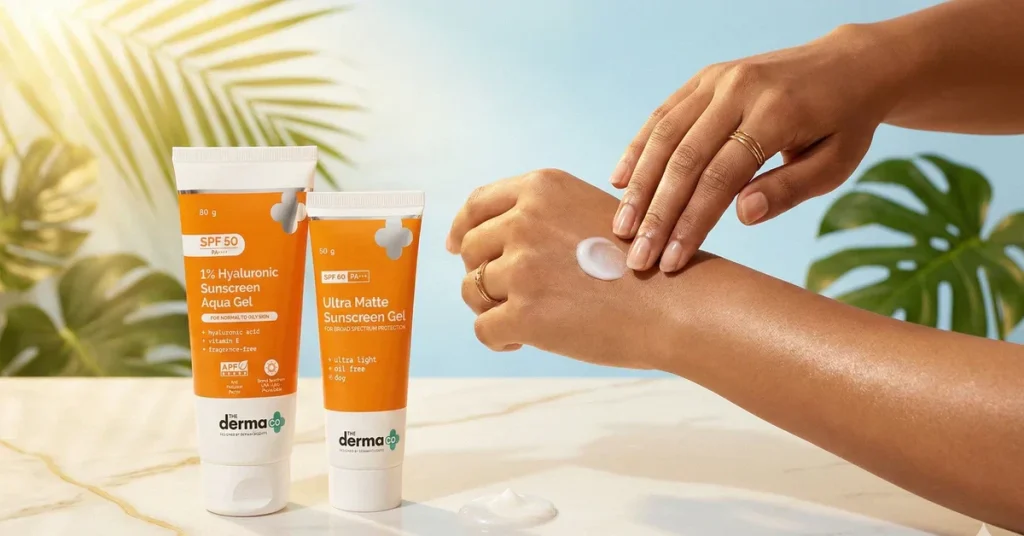
- Gel-based sunscreen
- Water-based formulas
- Oil-free sunscreen
- Matte finish sunscreen
- Non-comedogenic sunscreen
What to Avoid
- Thick cream sunscreens
- Heavy oily textures
- Sticky formulas
Best Sunscreen for Dry Skin
Dry skin needs hydration along with sun protection. If the sunscreen is too drying the skin may feel rough or tight.Therefore, moisturizing sunscreens are usually the best option for dry skin.
What Type of Sunscreen Is Best?
- Cream-based sunscreen
- Hydrating formulas
- Dewy finish sunscreen
- Moisturizing textures
What to Avoid
- Alcohol-heavy formulas
- Dry matte sunscreens
- Very lightweight gels that lack hydration
Best Sunscreen for Sensitive Skin
Sensitive skin reacts easily to harsh ingredients, strong fragrance, and alcohol-based products. Because of this, gentle formulas are extremely important.
Best type of Sunscreen: Mineral sunscreen is usually considered the best choice for sensitive skin.
What to Avoid
- Harsh chemical
- Strong fragrance
- Essential oils
- Alcohol-based sunscreen
Best Sunscreen for Acne-Prone Skin
Many people with acne-prone skin avoid sunscreen because they fear breakouts. However, skipping sunscreen can worsen acne marks and pigmentation. Therefore, choosing the right lightweight sunscreen is important.
Best Type of Sunscreen
- Oil-free formulas
- Gel or fluid sunscreen
- lightweight
What to Avoid
- Heavy creamy formula
- Thick oily sunscreen
- Pore-clogging ingredients
Best Sunscreen for Combination Skin
Combination skin usually has an oily T-zone and dry cheeks. Because of this, balanced sunscreen formulas work best.
What Type of Sunscreen Is Best?
- Lightweight lotion sunscreen
- Semi-matte finish
- Non-greasy texture
- Balanced hydration
Best Sunscreen for Normal Skin
Normal skin is usually balanced and less sensitive. Therefore, most sunscreen textures work well for this skin type.
Best Options
- Lotion sunscreen
- Gel-cream sunscreen
- Lightweight cream sunscreen
Why Reapplying Sunscreen Matters
Many people forget that sunscreen wears off throughout the day due to sweat, oil, and touching the face.
Reapply:
- Every 2–3 hours outdoors
- After swimming
- After sweating
- After wiping the face