

What is Acne?
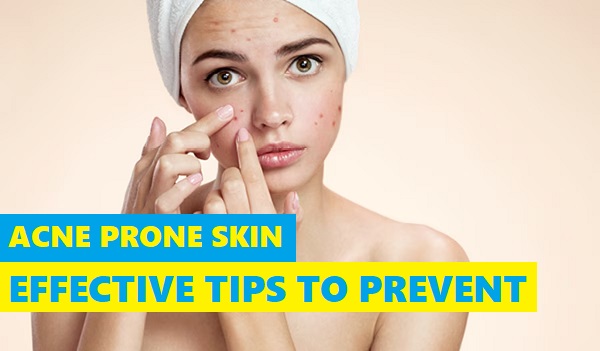
Acne prone skin is a condition that develops when pores get blocked. These blockages can cause inflammation, redness, and swelling. Acne usually appears on the face, chest, back, and shoulders. It can be mild, moderate, or severe depending on how many breakouts you have and how deep they are.
Causes of Acne Prone Skin
Multiple factors cause acne. The main causes include excess oil production, clogged pores, bacteria, and hormonal changes. Stress, diet, and improper skincare can also worsen acne. Washing your face too often can make your skin produce more oil, leading to more acne. Understanding the cause helps in choosing the right treatment.
Types of Acne
There are different types of acne, such as blackheads, whiteheads, papules, pustules, nodules, and cysts. Each type requires slightly different care, but the basic routine remains similar.
Know Your Skin Type
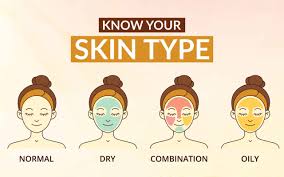
Before treating acne, it is important to know your skin type. Acne-prone skin can be oily, combination, or even dry. Using the wrong products can make acne worse.
Daily Skincare Routine for Acne-Prone Skin
- Cleansing (Face Wash):
Cleansing helps remove dirt, oil, and impurities from your skin. Use a gentle cleanser twice a day—in the morning and at night. Avoid harsh products that make your skin feel dry or tight. - Moisturizing:
Even acne-prone skin needs hydration. Choose a lightweight, oil-free moisturizer that does not clog pores. This keeps your skin balanced and prevents excess oil production. - Sunscreen Protection:
Sunscreen is essential for protecting your skin from sun damage and preventing acne marks from getting darker. Use a non-greasy sunscreen every day.
Important Skincare Habits
Do Not Touch Your Face:
A very common habit that worsens acne is repeatedly touching your face. Our hands carry a lot of bacteria and dirt, and when we touch our face, it transfers to our skin. This increases the chances of breakouts.
Avoid Popping Pimples:
Popping pimples is something you should avoid. Even though it feels tempting, it can push bacteria deeper into the skin, cause more inflammation, and leave permanent scars.
Lifestyle Tips for Clear Skin
- Healthy Diet: Diet is another factor that plays a crucial role in acne. While not all acne is caused by food, some people notice more breakouts when they eat too much junk food, sugary snacks, or dairy products. Eating fresh fruits, vegetables, and balanced meals can support healthier skin.
- Stay Hydrated: Drinking enough water is also important because it helps your body stay hydrated, removes toxins, and keeps your skin fresh and balanced.
- Manage Stress: Stress is often an overlooked reason behind acne. When you are stressed, your body releases hormones that increase oil production in your skin. This can trigger breakouts. Managing stress through simple activities like walking, listening to music, journaling, or even deep breathing can help your skin improve over time.
- Get Enough Sleep: Sleep is equally important for healthy skin. When you sleep, your body repairs and heals itself, including your skin. Lack of sleep can make acne worse and slow down healing. Aim for 7–8 hours of good sleep every night to give your skin the rest it needs.
- Natural Remedies: Some people prefer natural remedies like aloe vera or tea tree oil. These can be helpful for mild acne, but they should be used carefully. Not every natural ingredient suits every skin type, so it’s always better to test on a small area first.